Our story
Because losing your home shouldn’t mean losing your way.
What Next started with a simple question: how can we make disaster recovery easier for the people who need help the most?
Where the idea began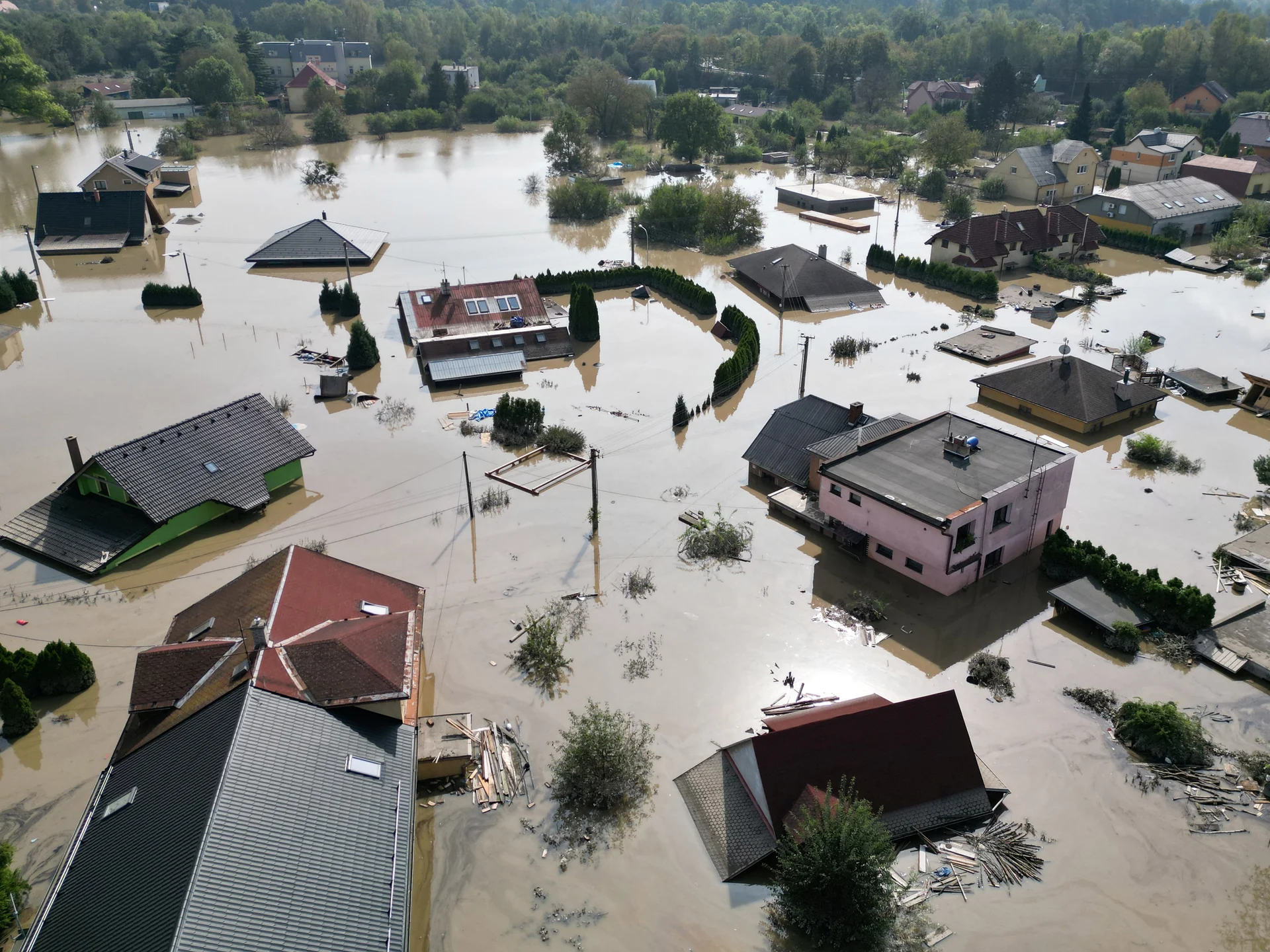
The beginning
It started close to home.
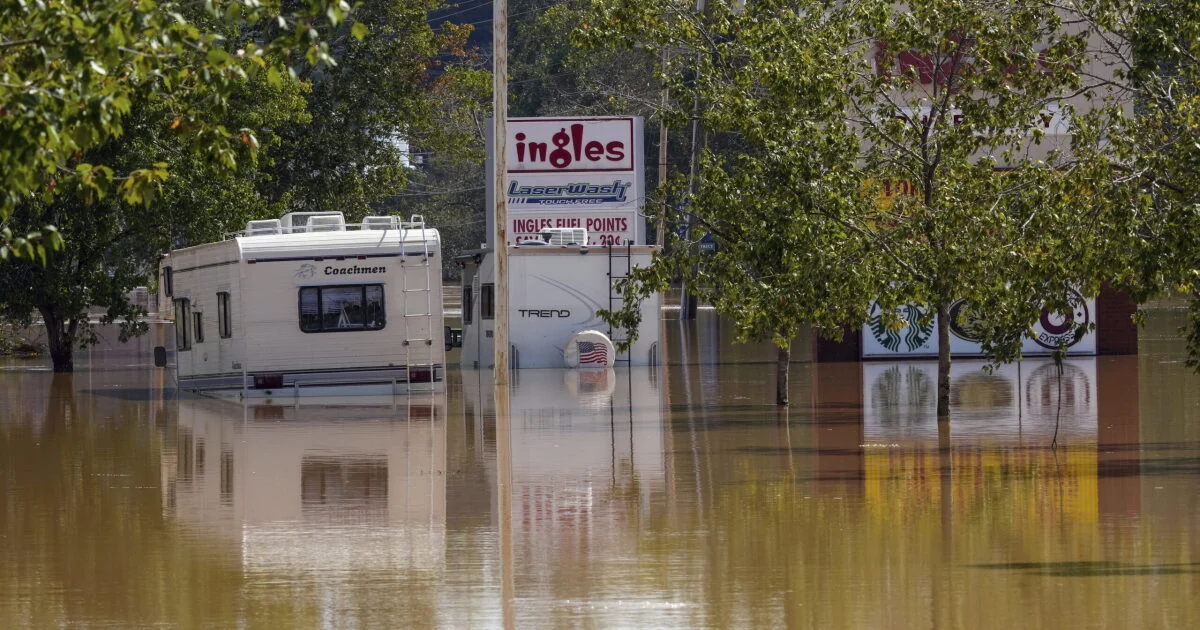
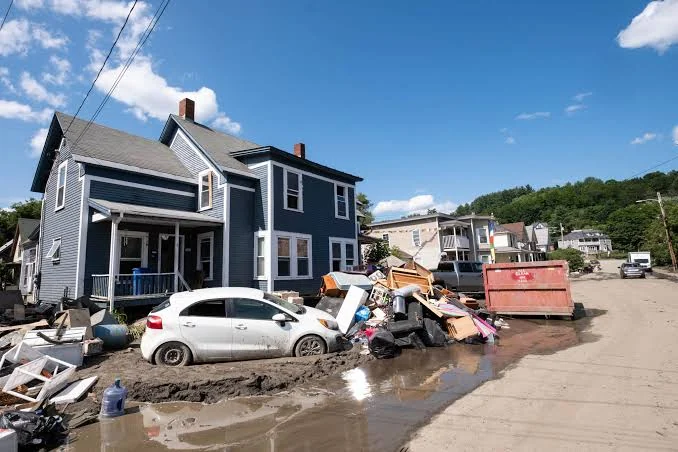
As a Virginia Tech student, I volunteered with people affected by the 2024 flooding in Virginia’s New River Valley. Seeing the damage made it clear how quickly a disaster can disrupt homes, communities and everyday life.
What stayed with me was how difficult it could be for the people I helped to remember all the belongings they had lost.
When someone loses their home or possessions, they’re also expected to navigate insurance claims, remember what they owned, find assistance and make difficult decisions. All while dealing with an incredibly stressful situation.
I started wondering whether technology could make even a small part of that process easier.
After the immediate emergency
The hardest part shouldn’t be figuring out what to do next.
- 01
Remembering what was lost
An insurance claim can mean listing hundreds of belongings, often without an inventory prepared beforehand.
- 02
Finding the right help
Relief programs, temporary housing and official resources are scattered across different websites.
- 03
Knowing where to begin
In a stressful moment, a clear next step can be more useful than another page of information.
A starting point, already in your photos
Your memories can help you rebuild.
Most of us don’t photograph our belongings for insurance. We photograph birthdays, holidays, family gatherings and ordinary moments at home.
In the background are details about the things we owned. What if AI could help turn those everyday photos into a starting point for an inventory?
We’re designing What Next to help you:
- Identify belongings in the photos you choose.
- Review and confirm items, with supporting photo evidence.
- Organize an inventory for an insurance conversation.
- Discover recovery resources and clearer next steps with Wren.
This public concept uses simulated detections and sample estimates. They are not independent proof of ownership. The sample export includes only items you confirm.
Why I’m building it
Technology should show up when it matters most.
I built What Next for the Meta × Cerebral Valley AI Hackathon. But the inspiration comes from a problem much bigger than a competition.
I believe meaningful uses of AI can be simple: helping someone remember what they lost, organize a complicated claim, or find a next step toward recovery.
This portfolio version preserves the workflow with sample data and scripted responses. There’s more to learn and more to build. Making a difficult moment a little easier is a good reason to start.
No one should have to figure out what’s next alone.
We’re building What Next to make recovery clearer, more manageable and more human. One step at a time.
Created by a Virginia Tech student. Inspired by the New River Valley floods of 2024.
Built for the Meta × Cerebral Valley AI Hackathon.